~1000 Self- Service Kiosks
Shenzhen Bao'an International Airport is one of Asia's fastest‑growing aviation hubs, providing service to over 50 million passengers annually and operating as a critical gateway for international business and tourism. In such a high‑traffic environment, self‑service kiosks and automated checkpoints rely on passport readers that can process diverse travel documents, and operate reliably across domestic operating systems, and maintain stable RFID performance inside metal‑structured terminals.
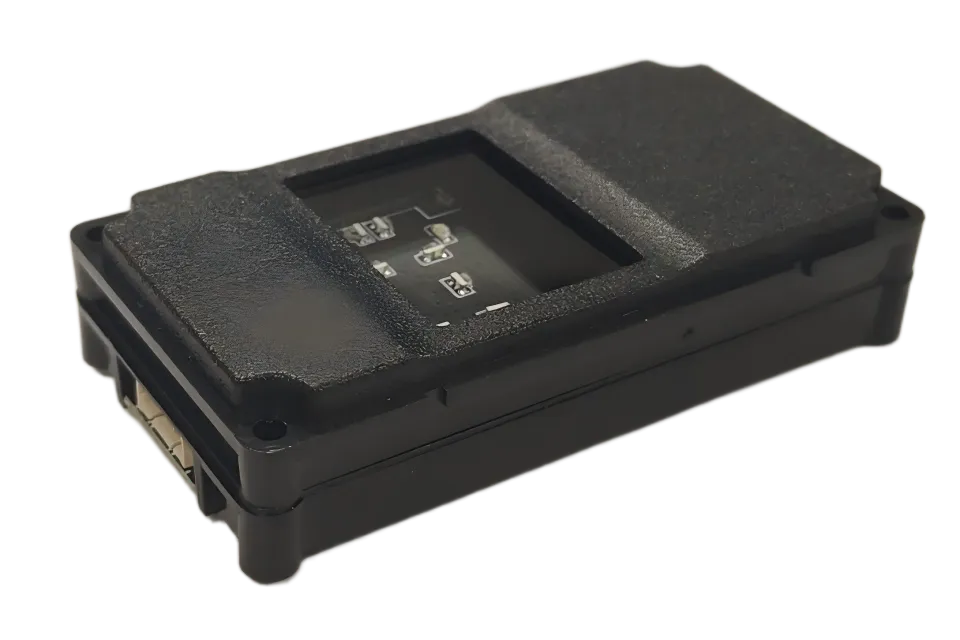
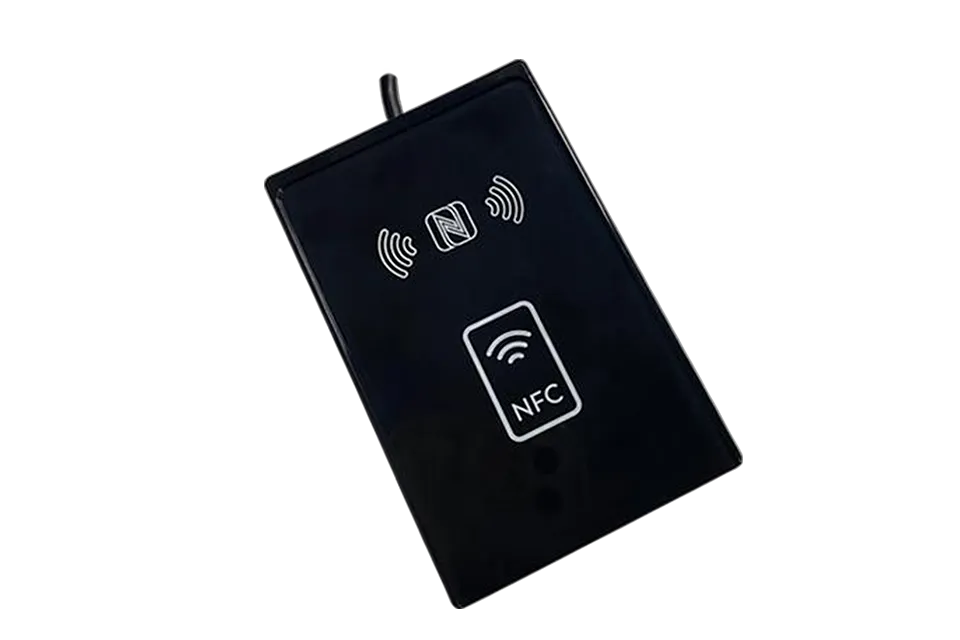
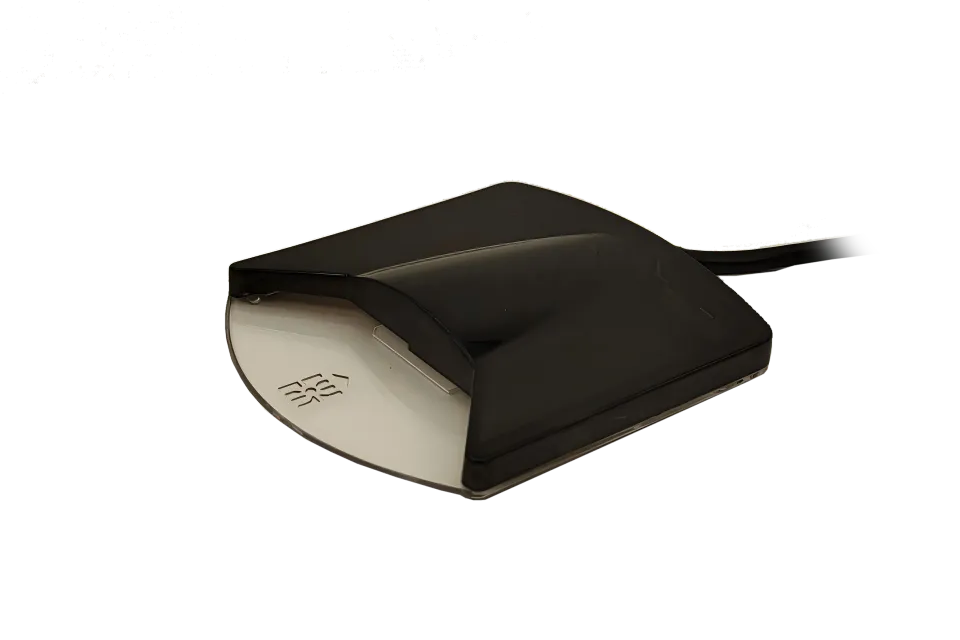
To meet these requirements, we developed the MEPR500‑CNID version, a passport reader designed for large‑scale airport deployments. Working closely with self‑service terminal partners, we optimized our hardware for multi‑document compatibility, cross‑platform OS integration, and stable RFID operation in metal environments. This collaboration enabled seamless deployment across Shenzhen Airport's smart‑travel infrastructure, supporting faster passenger processing and more resilient airport operations.
Shenzhen Bao'an International Airport processes a wide range of travel documents, including ICAO‑compliant passports, Hong Kong/Macau permits, Home Return Permits, Taiwan Compatriot Permits, Permanent Residence Permits, and China's Second‑Generation ID Cards. These documents follow different standards and require both international ICAO compliance and domestic ID‑card decryption support, creating a high bar for consistent, accurate multi‑document reading.
Airport self‑service kiosks run on diverse platforms, from Windows, Android, and Linux to domestic operating systems such as UOS and Kylin, often powered by Loongson or Kunpeng CPUs. Our document reader needed to operate reliably across all of these environments without integration issues or driver instability.
Most self‑service kiosks at Shenzhen Airport use sheet‑metal enclosures, which interfere with RFID performance by reflecting electromagnetic waves and causing eddy‑current losses. This can shorten reading distance, increase error rates, or prevent chip reading entirely, making stable RFID operation inside metal environments a critical technical challenge.
Deployment required embedding the MEPR500‑CNID into multiple kiosk models produced by different self‑service terminal partners. Ensuring consistent performance, unified design, and smooth integration around 1,000 kiosks demanded coordinated engineering, testing, and adaptation.
We built an integrated document‑reading architecture that supports ICAO passports, regional travel permits, and China's Second‑Generation ID Cards through a single optimized workflow. This eliminated fragmented integrations and ensured consistent performance across all formats.
To support Shenzhen Airport's mixed OS environment, we redesigned the driver and API layer around a standardized, hardware‑agnostic structure, enabling stable operation on Windows, Android, Linux, UOS, Kylin, and domestic CPU platforms without custom development.
Working directly with kiosk manufacturers, we refined antenna geometry, tuned RF parameters, and introduced anti‑interference enhancements that preserve RFID stability inside metal‑structured kiosks.
Finally, we partnered with terminal vendors to embed the MEPR500‑CNID into multiple kiosk models from the earliest design stages, ensuring consistent mechanical, electrical, and software integration around 1,000 units.
Our integrated architecture delivered higher accuracy across all document types, meeting Shenzhen Airport’s operational standards in every self‑service lane.
The standardized software layer ensured reliable performance across all operating systems in use at the airport, reducing integration complexity and long‑term maintenance overhead.
RFID reading remained stable and predictable despite the metal‑dense kiosk environment, supporting uninterrupted passenger processing during peak hours.
Through coordinated integration with terminal partners, the MEPR500‑CNID was deployed at scale across check‑in, baggage drop, security, and boarding touchpoints, earning strong feedback from airlines, kiosk manufacturers, and airport operators.
 English